

MARCH 2026
This article is written by María Elena Villalobos, Nutritionist
Monthly Newsletter
What is high blood pressure?
Jean-Michel Etienne, Ph.D.
High blood pressure (HBP) is a chronic condition in which blood pressure remains too high, placing extra strain on the heart. When the heart contracts, the pressure on the artery walls is called systolic pressure; when it relaxes between beats, it's called diastolic pressure. Normal blood pressure readings are 120/80 (systolic/diastolic). It has been found that only 5% of cases are linked to cancer or kidney disease that cause high blood pressure, while 95% result from lifestyle factors. This gives us the chance to make choices and avoid this silent but dangerous enemy.
Why is it important to avoid hypertension?
The journal The Lancet identifies hypertension as the leading risk factor for death, as it can cause heart attacks, strokes, aneurysms, or kidney disease.
Who is at higher risk for hypertension?
People with excessive sodium intake (processed foods, deli meats, canned foods, fast food), those who are overweight or obese, sedentary individuals, and people with a diet high in saturated fats and cholesterol, which promote the formation of atherosclerotic plaques in the arteries, leading to increased pressure and the risk of arterial rupture. People who consume alcohol and women on long-term estrogen therapy, as estrogen is a salt-retaining agent.
How can I tell if I have hypertension?
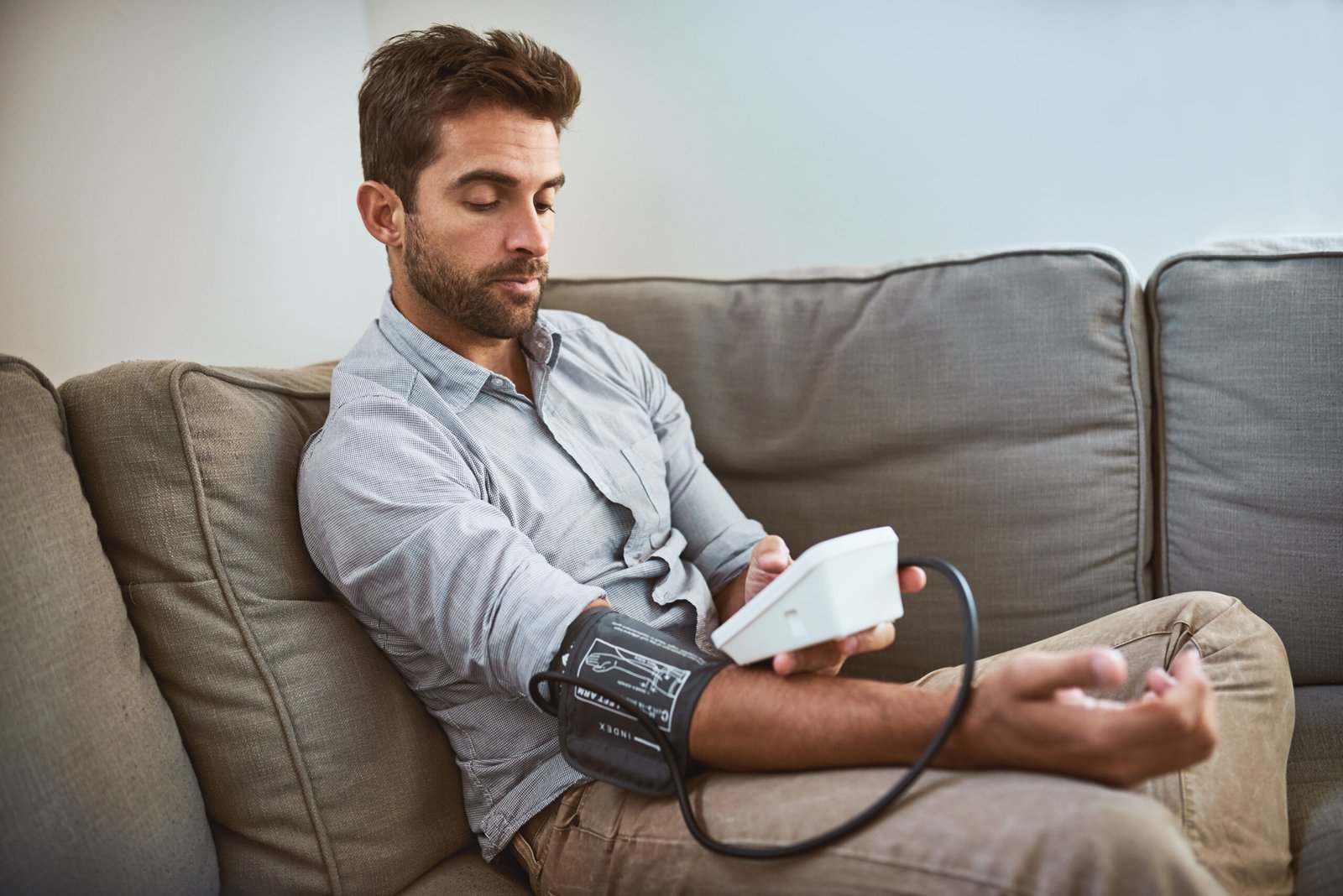
HTN is generally asymptomatic, making it a silent and even more dangerous enemy. A definitive diagnosis of HTN is made using a sphygmomanometer; if your systolic blood pressure frequently remains above 130 mm Hg and/or your diastolic blood pressure above 85 mm Hg, you have HTN.
How can I tell if I have hypertension?
HTN is generally asymptomatic, making it a silent and even more dangerous enemy. A definitive diagnosis of HTN is made using a sphygmomanometer; if your systolic blood pressure frequently remains above 130 mm Hg and/or your diastolic blood pressure above 85 mm Hg, you have HTN.
What can I do to prevent, treat, and manage hypertension?
The main contributing factor to hypertension is high salt intake; therefore, an excellent preventive and treatment strategy is to avoid using salt when preparing food, remove saltshakers from the table, and eliminate processed and fast foods, as they generally contain more salt than we use at home.
Maintain a healthy body weight by following a simple diet that includes fruits, vegetables, beans, whole grains, and various types of nuts.
- Incorporate daily exercise.
- Drink enough water—8 glasses a day.
- Avoid alcohol
- Women going through menopause should avoid long-term estrogen therapy.
You have the choice! Make these lifestyle changes and work closely with your doctor, and in just a few weeks, you can reverse hypertension.
Health Apps and Telemedicine
Mobile apps track heart data and lifestyle habits and support communication with healthcare providers.
Lifestyle Habits for a Strong Heart
Technology can help, but the most important part of heart health is the choices we make every day.
• Eat a balanced diet: fruits, vegetables, whole grains, lean proteins, and healthy fats.
• Stay active: aim for regular moderate exercise such as walking or swimming.
• Manage stress: prayer, meditation, rest, and meaningful relationships support emotional and physical health.
• Avoid smoking and alcohol.
• Get regular checkups for blood pressure, cholesterol, and diabetes screening.
As believers, we know that taking care of our bodies honors God. “Do you not know that your bodies are temples of the Holy Spirit…?” (1 Corinthians 6:19). Keeping our hearts healthy is one way we live out this truth.
When we encourage one another to live healthier lives, we strengthen our families, our church, and our ability to serve God with energy and joy.
Conclusion
Heart health is important for living a long, active, and meaningful life. By using modern tools and making healthy choices every day, we can take care of the heart God has given us. When we combine practical advice with spiritual commitment, we strengthen our physical health and our ability to love, serve, and live fully for Him.
Technology Supporting Heart Wellness
Today, modern tools make it easier to monitor heart health from home:Wearable EKG Devices
The ability to obtain an EKG is found on many smartwatches. These devices help detect irregular rhythms and provide valuable information for clinicians.Pulse Oximeters
A simple fingertip device measures oxygen levels and pulse rate. This is helpful for people with heart or lung concerns.
Heart Rate Monitors
Built into many fitness trackers, they help individuals understand how their heart responds to activity, rest, and stress.Home Blood Pressure Monitors
High blood pressure often causes no symptoms, so regularly checking it at home can help prevent long-term damage.Health Apps and Telemedicine
Mobile apps track heart data and lifestyle habits and support communication with healthcare providers.

Lifestyle Habits for a Strong Heart
Technology can help, but the most important part of heart health is the choices we make every day.
• Eat a balanced diet: fruits, vegetables, whole grains, lean proteins, and healthy fats.
• Stay active: aim for regular moderate exercise such as walking or swimming.
• Manage stress: prayer, meditation, rest, and meaningful relationships support emotional and physical health.
• Avoid smoking and alcohol.
• Get regular checkups for blood pressure, cholesterol, and diabetes screening.
As believers, we know that taking care of our bodies honors God. “Do you not know that your bodies are temples of the Holy Spirit…?” (1 Corinthians 6:19). Keeping our hearts healthy is one way we live out this truth. When we encourage one another to live healthier lives, we strengthen our families, our church, and our ability to serve God with energy and joy.
Conclusion
Heart health is important for living a long, active, and meaningful life. By using modern tools and making healthy choices every day, we can take care of the heart God has given us. When we use both practical advice and spiritual commitment, we build up our physical health and our ability to love, serve, and live fully for Him.