

JULY 2026
This article is written by Temmy Fashanu FNP-BC, DNP
Monthly Newsletter
Colon Cancer and Prevention
Jean-Michel Etienne, Ph.D.
Colorectal cancer, also known as colon or rectal cancer, occurs in the colon or rectum. It is the third most common cancer worldwide and the third leading cause of cancer-related deaths. Several factors can increase an individual's risk of developing colorectal cancer. Some of these risk factors can be controlled, while others cannot.
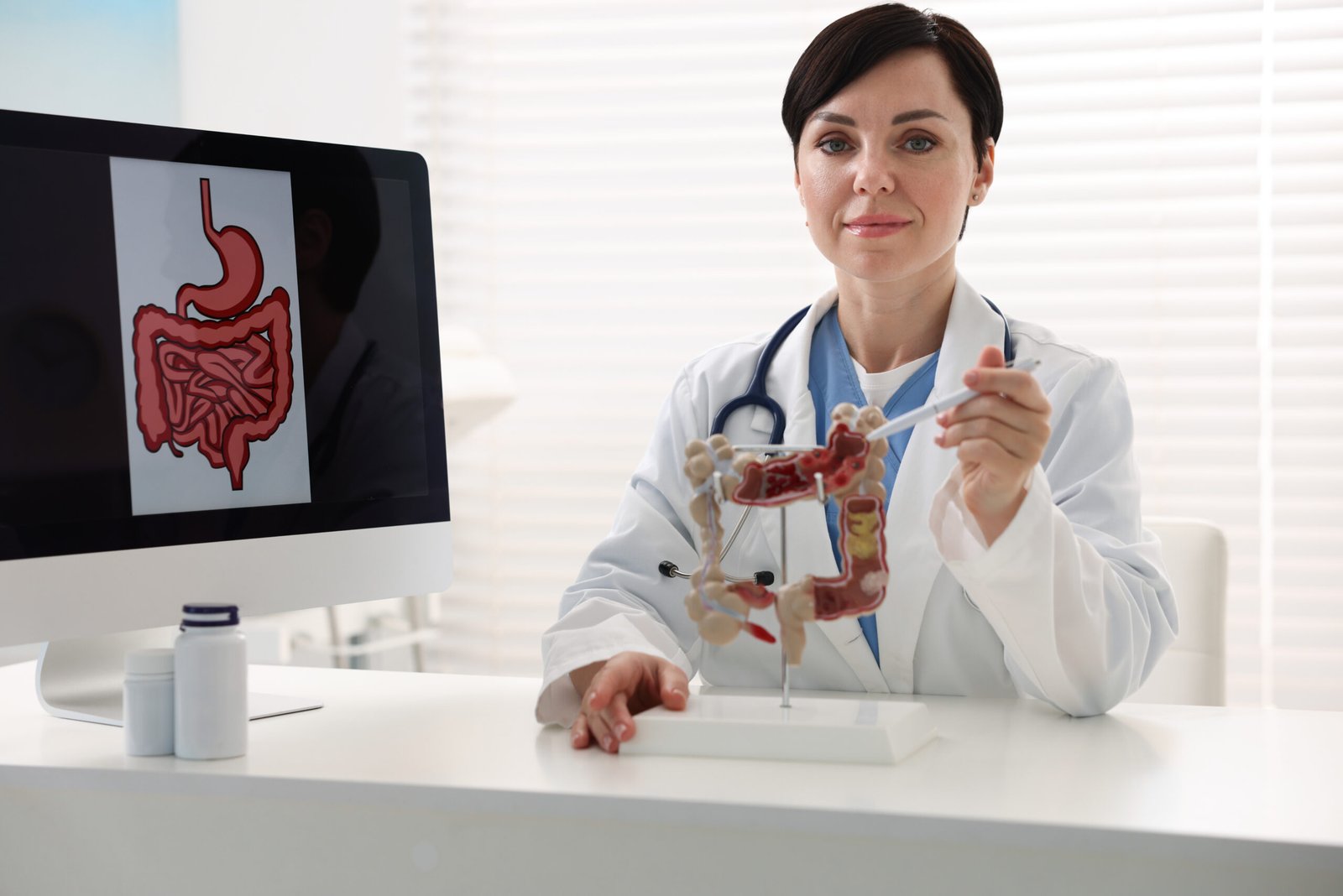
Common risk factors for colorectal cancer:
Age: The risk of developing colorectal cancer increases with age. Most cases are diagnosed in people over age 50.
Family history: Having a close relative (parent, sibling, or child) who has had colorectal cancer increases your risk, especially if they were diagnosed before the age of 45 or if you have multiple affected family members.
Race and ethnicity: African Americans and Ashkenazi Jews have a higher risk of colorectal cancer than other racial and ethnic groups.
Inherited syndromes: Genetic syndromes such as Lynch syndrome (hereditary non-polyposis colorectal cancer, or HNPCC) or familial adenomatous polyposis (FAP) can significantly increase the risk of developing colorectal cancer.
Personal history: A personal history of colorectal polyps or colorectal cancer, inflammatory bowel disease (such as ulcerative colitis or Crohn's disease), or certain types of ovarian, endometrial, or breast cancers can increase the risk of colorectal cancer.
Common risk factors for colorectal cancer (continued)
Diet: Diets high in red meat (beef, pork, and lamb) and processed meats (such as hot dogs and some deli meats) can increase the risk of colorectal cancer. A diet rich in fruits, vegetables, and whole grains may help reduce the risk.
Physical inactivity: A lack of regular physical activity increases the risk of colorectal cancer.
Obesity: Being overweight or obese increases the risk of developing and dying from colorectal cancer.
Smoking: Long-term smoking increases the risk of colorectal cancer.
Alcohol consumption: Heavy drinking (more than 2 drinks per day for men and more than 1 drink per day for women) increases the risk of colorectal cancer.
Type 2 diabetes: People with type 2 diabetes have a higher risk of colorectal cancer.
There are several ways to reduce your risk of colorectal cancer:
Get screened regularly: Regular screening tests can help detect colorectal cancer early, when it is most treatable. The American Cancer Society recommends that people at average risk of colorectal cancer begin screening at age 45, and those at higher risk begin earlier.
Eat a healthy diet: A diet high in fiber and low in fat and red meat may help reduce your risk of colorectal cancer. Eat plenty of fruits, vegetables, and whole grains.
Focus on eating more:
Fiber-rich foods like beans, broccoli, Brussels sprouts, carrots, and oats help promote regularity and prevent constipation.
Colorful vegetables and fruits like bell peppers, spinach, kale, tomatoes, berries, and squash are high in antioxidants, which help prevent cell damage.
Choose fish and poultry instead of red meat. Limit red meat and processed meats such as hot dogs and bacon, which are high in saturated fat and may increase cancer risk.
Exercise regularly: Regular physical activity can help reduce your risk of colorectal cancer. Aim for at least 30 minutes of moderate exercise, such as brisk walking, on most days of the week.
Maintain a healthy weight: Being overweight or obese increases your risk of colorectal cancer. Try to maintain a healthy weight by combining regular exercise with a healthy diet.
Avoid alcohol consumption: Alcohol can increase your risk of colorectal cancer. Stay away from it.
Don't smoke: Smoking is a major risk factor for many types of cancer, including colorectal cancer. Stay away from smoking.
Know your family history: If you have a family history of colorectal cancer or other cancers, you may be at higher risk. Talk to your doctor about when to start screening and how often.
Reduce stress: Some research suggests that chronic stress may increase the risk of colorectal cancer in some people. Try relaxation techniques such as yoga, meditation, and deep breathing to lower your stress levels.